Eternal Search for Chinese Tea Marvels
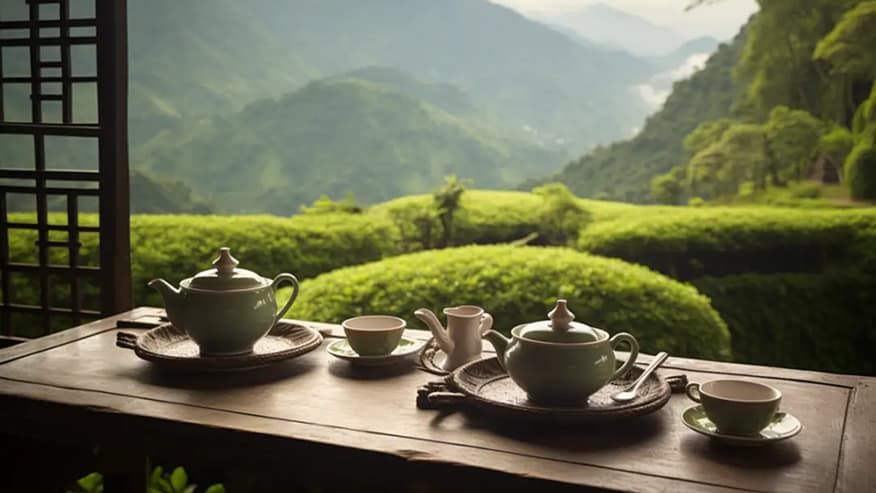
China does not just consume tea but is built around tea as a way of life. Tea has influenced the Chinese traditions, art and ways of everyday life, as it was used back in ancient dynasties, up to the present tea houses, which are full of people. In case you are intrigued by this established culture then tag along in this expedition in an attempt to trace the origin of it all and how you too can share this experience.
A Living Tradition that Spans Millennia
China is the origin of tea and the history dates back more than 40 centuries. The first documents of the usage of tea refer to legendary Emperor Shen Nong that once discovered the plant when leaves fell into his boiled water. Since that time, tea has become inseparable with the domains of medicine, philosophy, and social rituals. While in the West tea almost invariably means a quick brew, in China each step, from the choice of the leaves to the water temperature, has symbolism.
Foreigners, who come to China, will soon realize the omnipresence of tea in its streets (in houses and restaurants) and temples, and even during government conferences. Savoring tea together is a show of respect, open house and bonding. As tourists, an investigation of tea culture gives one a sense of Chinese thought regarding balance, harmony, and being present in everyday life.
Famous Tea Regions and What Makes Them Unique
China’s immense geographical area provides a potential variety of climates to cultivate unlimited numbers of tea species. There are numerous specializations depending on place, altitude, and tradition.
1. Zhejiang Province, Hangzhou: Origin of China’s mythical Longjing, or Dragon Well, green tea. A tour through the jade fields alongside West Lake has you stroll through rows of green and even watch experienced farmers pan-frying tea in massive woks.
2. Anxi, Fujian Province: Famous around the world for Tie Guan Yin, a very floral-scented oolong tea. Anxi tea houses welcome customers to enjoy teas that have been expertly infused in Chinese clay teapots, to admire the oolong preparation beauty.
3. Yunnan Province: Home to Pu er tea, a fermented tea that is valued with its earthy aroma and the ability to age. In such cities as Xishuangbanna, one may get to know about the existence of ethnic Dai people preserving some exclusive techniques of producing and storing tea.
4. Huangshan, Anhui Province: The hilly topography yields the deliciously subtle Huangshan Maofeng green tea. Tea terraces are also regularly located right along hiking tracks through foggy mountains, which combined a scenic view and history, is the ideal combination of the two.
It’s not that the tourists are simply traveling there and tasting tea, they are tasting landscapes, customs, and cultures developed around it.
The Art of Chinese Tea Ceremonies
The pinnacle of Chinese tea culture travel among the majority of tourists is watching a traditional tea ceremony. It is gongfu cha (skillful tea) and it’s an art of subtlety and waiting. It involves little teapots, characteristic Yixing clay ones, where they brew strong infusions, and they are poured in minute cups. The rhythm of each serving is therefore: rinsing the leaves, awakening their aroma, and serving the tea in rounds, one after another, in order to harvest changing flavors.
Tea Beyond the Cup
It’s more than beverages: Chinese tea culture integrates refined and practical arts, structures, and casual play. Ancient scholars painted tea scenes to express tranquility. Gardens usually include tea party pavilions, often situated near lotus pools or bamboo groves. Tea houses persist outdoors in old neighborhoods near Chengdu, where villagers sip jasmine tea while they play mahjong or gossip for hours on end.
Even large cities have now welcomed tea on new terms. Shanghai and Beijing provide specialty stores that combine traditional preparation methods with innovative presentation, including serving teas with seasonally themed danishes or comparison tasting flights between provincial releases. These stores permit the visitor to sample history and originality simultaneously.
Experiencing Tea as a Traveler
Foreign visitors who desire more visit tea museums, tea plantations, and tea festivals. The China National Tea Museum in Hangzhou has displays on history, utensils, and preparation on a grand scale. In Yunnan, visitors are led through centuries-old tea trees. There are also festivals to observe the harvest period including a Hangzhou West Lake Tea Festival held every year to have performances, markets, and interactive workshops.
Traveling through China with tea alongside makes each destination pertinent. If trekking through hillsides of terracing, sampling with villagers at the market stand, or observing the master’s careful pour, each moment peels away yet one more layer of an antique ritual thousands of centuries old.